Shine, Check, Spin: A Tiny Ritual for Thriving Houseplants
Today we focus on Two-Minute Weekly Leaf Care: Wiping, Inspecting, and Rotating. In just one song’s length, you remove dust that can cut photosynthesis, spot early pests before they spread, and guide even growth. This simple ritual fits busy schedules, turns attention into affection, and keeps foliage glossy, resilient, and balanced. Grab a cloth, take a slow breath, and let the plants teach presence while you strengthen a habit that makes every room feel a little more alive.

The Power of a Two-Minute Habit

Tiny actions, big photosynthesis gains

A thin film of dust can act like sunglasses your plant never asked for, dimming the light that fuels sugar production. A gentle wipe increases the light reaching the leaf surface, helps stomata stay clear, and reduces grime that attracts pests. Over weeks, that small improvement compounds into richer color, stronger new growth, and steadier hydration, especially on broad leaves where residue accumulates quickly in city apartments or near cooking spaces.

Habit stacking that actually sticks

Anchor the ritual to something you already do, like Saturday coffee or a weekly call with a friend. Start the kettle, wipe the largest plant’s top leaves, glance under for specks, then rotate a quarter turn. By attaching care to a reliable cue, the routine becomes automatic. It feels finishable, never burdensome, and that sense of completion encourages you to repeat it, week after week, without elaborate setups or forgotten intentions.

Consistency beats intensity

A marathon cleaning once a season looks satisfying but rarely prevents the slow creep of pests or dust. Two minutes weekly equals more than an hour and a half yearly, precisely targeted where it matters most. Plants dislike rollercoaster attention; they thrive on steady, predictable touch. This gentle cadence stabilizes humidity around leaves, keeps surfaces clear, and trains your eye to notice subtle changes long before they become problems that demand drastic interventions.

Wipe Like a Pro Without Stress

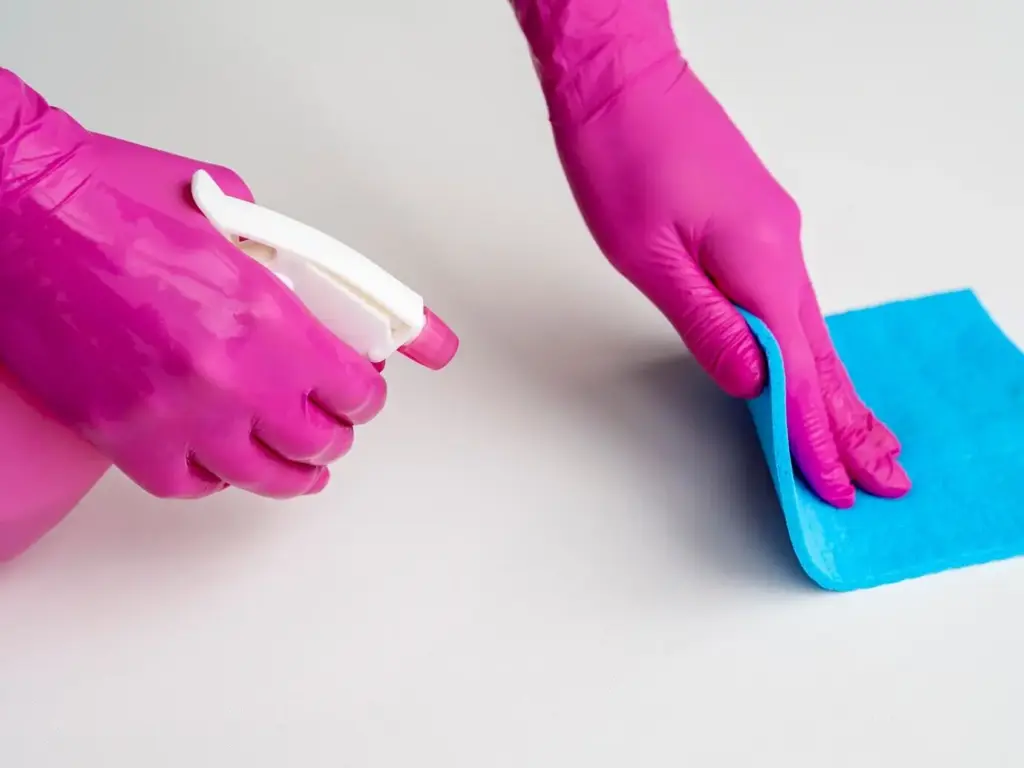
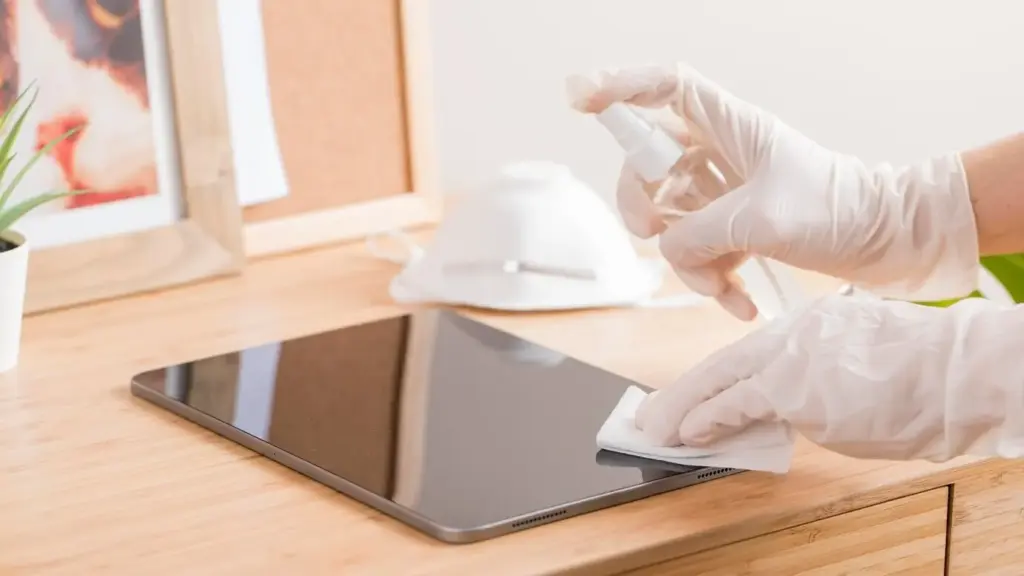
The best techniques are simple: a soft, clean microfiber cloth, lukewarm water, and careful support under each leaf. Avoid heavy oils that clog pores or attract dust. Test any diluted soap on a single leaf, wait a day, and proceed only if there is no reaction. For velvety or fuzzy foliage, skip wet wiping and try a soft brush instead. You will work calmly, avoid streaks, and leave surfaces clean, breathing, and naturally glossy.

Seven signs hiding under leaves

Look for tiny moving dots, fine webbing at nodes, silvery patches that sparkle under light, pepper-like frass, sticky honeydew, distorted new growth, and pale stippling that seems to spread. Check veins, petiole bases, and the soil line. Use your phone’s flashlight and magnifier to slow down. Even thirty focused seconds under each plant can reveal what casual glances miss, letting you respond gently before populations surge or damage compounds across the canopy.

Reading spots, curls, and sticky residue

Not every imperfection means disaster. Mineral splashes can leave harmless spots, while low humidity may curl tips without broader decline. Sticky residue often points to aphids or scale, especially if accompanied by sooty mold. Track patterns over a week rather than panicking at first sight. When you pair observations with recent changes—new location, repotting, or drafts—you can separate temporary stress from a progressing issue and choose calm, proportionate next steps.

Rotate for Symmetry and Strength

Quarter-turn rhythm that guides growth

Set a simple rule: every week, turn the pot a quarter turn in the same direction. Over months, this rhythm averages light exposure across the canopy, building uniform leaf size and preventing dramatic leaning. Mark the pot rim with a discreet dot to remember direction. This steady practice works especially well for climbing aroids and bushy herbs, where symmetry improves airflow, reduces mildew risk, and creates a fuller look without frequent pruning or staking.

Windows, light meters, and makeshift cues

If you lack a light meter, use practical cues. The brightest spot casts the sharpest shadow at midday. Rotate so the previously shaded side faces that zone. Place a small arrow sticker on the pot to track turns, or align a handle with the windowsill edge. These playful guides remove guesswork, and paired with your weekly wipe, they transform a fleeting moment into a reliable practice that benefit both vigor and beauty.

Support, pruning, and avoiding shock

Rotation is gentle, but big moves can stress plants. Avoid swinging a plant from dim corners to intense windows overnight. Instead, rotate within its current microclimate and adjust placement gradually across days. Pair rotation with light pruning of leggy stems and occasional staking for climbers. This balanced approach protects root stability while encouraging upright growth, minimizing the chance of snapped petioles or sudden leaf drop after dramatic light changes or repositioning experiments.

Build a Grab-and-Go Care Kit

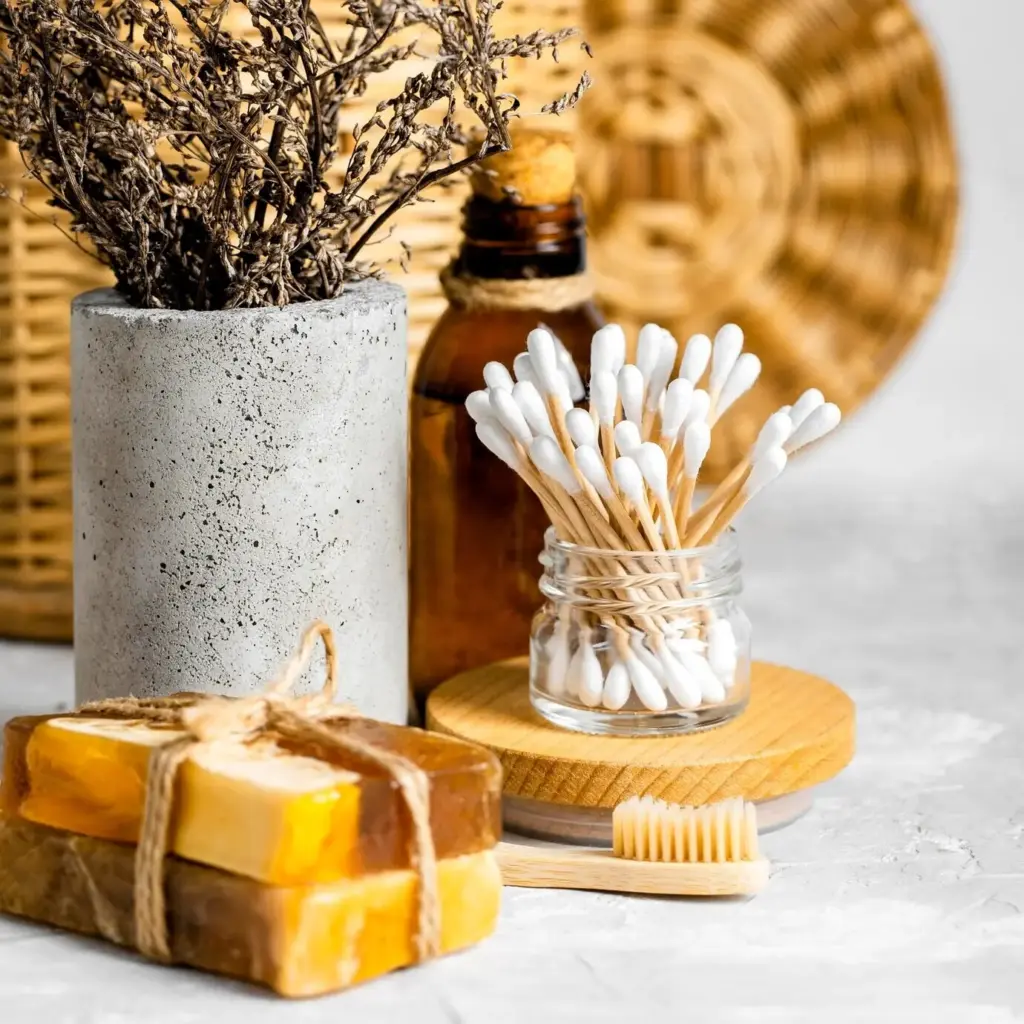
Keep everything together so two minutes stay truly two. A shallow tray near your brightest window can hold a microfiber cloth, a small bowl, a soft brush, labeled diluted soap, a magnifying lens, and a towel. Add sticky notes or a wax pencil for quick observations. By reducing friction and searching, you protect momentum, making the habit delightful and easy to repeat, even on the busiest mornings or in the calm after dinner.
Place a compact tray where you naturally pause—beside the watering can or next to the kettle. Keep it tidy: one cloth for general dust, another reserved for suspected pest plants, plus a dry towel. The visibility nudges you to act without nagging. When your tools live near light, plants and attention meet in the same moment, turning a passing glance into a finished micro-ritual before the thought can drift away.
Prepare a small bottle of very mild, fragrance-free soap solution and label the date and ratio. Always ventilate gently and avoid harsh aerosols or oily shines. When in doubt, test on a single leaf and wait twenty-four hours. Clear labels prevent mystery mixtures, and consistent recipes reduce risk. Your future self will thank you when the next quick session begins without hesitation, confusion, or second-guessing what’s safe for delicate foliage.
Set a two-minute phone timer and treat it like a friendly game. Jot tiny notes—“new leaf on monstera,” “slight curl, east window draft”—on a sticky or in a plant app. These breadcrumbs build a diary of wins and tweaks. Share a monthly check-in with a friend, and trade photos. Accountability becomes celebration, turning maintenance into a satisfying practice that strengthens both your plants and your connection with others who care.

Stories from the Two-Minute Side

Real homes, real leaves, and honest outcomes show how small changes matter. A film of dust vanished, and suddenly a room felt brighter. A faint web caught early saved a favorite plant from decline. A weekly quarter turn transformed a leaning tangle into a sculptural presence. These moments are ordinary, yet quietly transformative, inviting you to try and share your own before-and-after reflections with a welcoming community of plant lovers.

Engage, Share, Grow Together

Community turns small rituals into shared momentum. Your quick wipe, attentive glance, and playful spin can inspire someone else to try. Post questions, celebrate tiny wins, and invite gentle feedback when you are unsure about spots or curls. Subscribe for kind reminders and seasonal tweaks. The exchange of photos, notes, and discoveries keeps learning alive, while your plants, week by week, quietly mirror that collaborative energy in brighter leaves and sturdier posture.
Votetulitive
Privacy Overview

This website uses cookies so that we can provide you with the best user experience possible. Cookie information is stored in your browser and performs functions such as recognising you when you return to our website and helping our team to understand which sections of the website you find most interesting and useful.