Sixty Seconds to Stronger Houseplants

Today we dive into one-minute daily routines to keep indoor plants thriving, proving that tiny actions create outsized growth. In just sixty seconds, you can check moisture, scan leaves, rotate pots, refresh airflow, and tidy surfaces. These swift touches prevent pests, boost photosynthesis, and keep stress low. Follow along, try a routine tonight, and share your favorite micro-habit in the comments. Subscribe to receive weekly one-minute cues that help your green corner stay vibrant without stealing your time.

Morning micro-checks that prevent big problems

Pick up the pot and teach your hands the language of weight. Compare today’s heft with yesterday’s memory, then sink a clean finger an inch deep to sense coolness or dryness. Combine both signals to decide, not guess. Skip watering if it feels only slightly light; roots love oxygen too. Make a quick mental note, rotate to even evaporation, and move on, confident you prevented overwatering while still priming the plant for consistent vigor.
Scan the newest leaves for brightness and the oldest for quiet honesty. Curling tips whisper thirst or wind; yellow specks hint mites; silvery trails suggest thrips. Flip a leaf, check the midrib, and look for webbing at joints. Pinch off a fully yellowed leaf to channel energy upward. A soft cloth swipe removes dust that dims photosynthesis. When you notice early, treatments stay simple, gentle, and fast, protecting beauty without dramatic measures or panic decisions.
Nudge pots a few inches to keep your plants within that sweet window of bright, indirect light. Rotate a quarter turn to balance growth, avoiding the awkward lean that invites weak stems. Pull heat-sensitive foliage back from glass before midday magnifies sunshine. Move shade-lovers deeper when rays intensify seasonally. These tiny relocations prevent scorch, stretch, and confusion, letting chloroplasts feast evenly. One minute of mindful positioning replaces later staking, pruning, and regret with steady, compact strength.

Midday moisture and airflow tune-ups

When the air warms, your plants welcome a breath of movement and a touch of humidity—delivered thoughtfully, not excessively. A minute is enough to loosen compacted topsoil, add a fine targeted mist where appropriate, and flick on a gentle fan. Circulation discourages mildew, strengthens stems, and discourages gnats without drying leaves harshly. Small nudges at midday maintain balance between hydration and oxygen. Share your favorite midday cue, and we’ll compile the best quick shifts for everyone.

The pinky-and-pencil aeration poke

Take a wooden pencil and give the top centimeter of soil three light pokes, twisting gently to open micro-channels. This refreshes oxygen, breaks hydrophobic crust, and helps future watering sink evenly rather than skating across the surface. Brush aside any exposed roots and pat the soil back softly. The minute ends with a sigh of fresh air for microbes and roots alike, reducing anaerobic stress while discouraging fungus gnat nurseries that thrive in compacted, stagnant conditions.

Micro-mist without the mess

Aim a fine mister below leaf level and spray upward so droplets drift like fog, avoiding heavy beads that sit and invite spots. Skip flowers and hairy leaves, and choose distilled or filtered water to prevent mineral flecks. Mist humidity-lovers near, not on, open blooms. Wipe nearby glass afterward to keep light bright. This delicate refresh takes seconds yet boosts comfort, especially for ferns and calatheas, while preventing the sloppy puddles that undo your quick good intentions.

Fan flick for fresh breath

Turn on an oscillating fan on low for a minute or two across the room, letting leaves gently tremble. That subtle movement encourages sturdier, more compact growth through thigmomorphogenesis and dries lingering moisture that fungi adore. Position the airflow indirect, not blasting, to avoid excessive transpiration. Repeat during damp spells or after misting. The goal is a whisper of wind, like a passing cloud’s breeze, training stems and keeping your indoor ecosystem lively, resilient, and balanced.

Evening resets for calm, resilient growth

As the room unwinds, give plants a brief reset that prevents tomorrow’s headaches. Rotate pots, empty saucers, and tidy fallen leaves before lights dim and temperatures drop. This minute restores order and removes the quiet invitations pests and rot accept overnight. Treat it like closing a book—peaceful and satisfying. I place tools back in the same basket, breathe once, and admire new growth tips. The ritual is tiny, the reassurance large, and consistency builds calm strength.

One-minute nutrition and soil sanity checks

Feeding is powerful when gentle and observant. Use a minute to scan for pale new leaves, sluggish growth, or fertilizer crusts, then decide whether to pause, flush, or offer a diluted sip another day. Most indoor plants prefer consistency over intensity, and soil reveals quiet truths at a glance. Quick checks prevent burn, encourage balanced roots, and keep microbes happy. Think of nutrition like seasoning: small, thoughtful pinches over time, guided by cues rather than rigid schedules or guesswork.

Salt crust sweep

Look for a white, brittle ring on the soil surface or pot rim. Brush it into the trash, then wipe the rim with a damp cloth to remove residue. Empty the saucer to prevent reabsorption. These salts draw water away from roots, dulling vigor and inviting tip burn. A thirty-second sweep keeps the medium friendlier and primes your next deep watering to be truly refreshing rather than a briny bath that slowly undermines tender feeder roots.

Dilute-feed bottle at the ready

Keep a labeled squeeze bottle of weak, balanced fertilizer—think quarter-strength—near your watering can. In your scan, if a plant shows active growth and recent flushing, a tiny sip during the next scheduled watering may be perfect. Date the bottle, store it cool and dark, and replace monthly for freshness. This preparation trims decision time, prevents heavy-handed dosing, and transforms feeding into a quick, confident action aligned with real cues rather than calendar pressure or impulse.

Tiny habits, mighty results: science and stories

Small, repeatable actions flourish because they fit the day like a glove. Habit stacking places plant care after an existing cue—coffee brewing, blinds opening, or brushing teeth—so consistency grows naturally. The science is simple: lower friction, increase visibility, celebrate micro-wins. Share your story, too. Readers love learning what worked in real homes with real messes and real triumphs. When routines feel effortless, plants respond with thicker leaves, tighter nodes, and a quiet sparkle that rewards attention.
Mine drooped every weekend, scolding me like a tiny green drama queen. I started a one-minute morning routine: weight check, leaf scan, quarter turn. By week two, it held posture through Sunday, and blooms lasted longer. Nothing heroic, just unskippable micro-care. Now, visitors notice glossy leaves instead of wilted sighs. The plant didn’t change; the cadence did. Consistency turned guesswork into calm certainty, and the lily retired its flair for theatrical fainting at last.
Leaves open microscopic pores to breathe and drink the light, especially as morning brightens. That is a lovely window for quick inspections and gentle adjustments. Wet leaves at night can invite fungal parties, while midday gusts strengthen stems without stress. Understanding these rhythms lets your minute land where it helps most. You are harmonizing with biology, not forcing compliance. The reward is resilience: tighter growth, fewer diseases, and routines that feel intuitively easy rather than interruptive.

Micro-cleanliness that blocks pests and disease

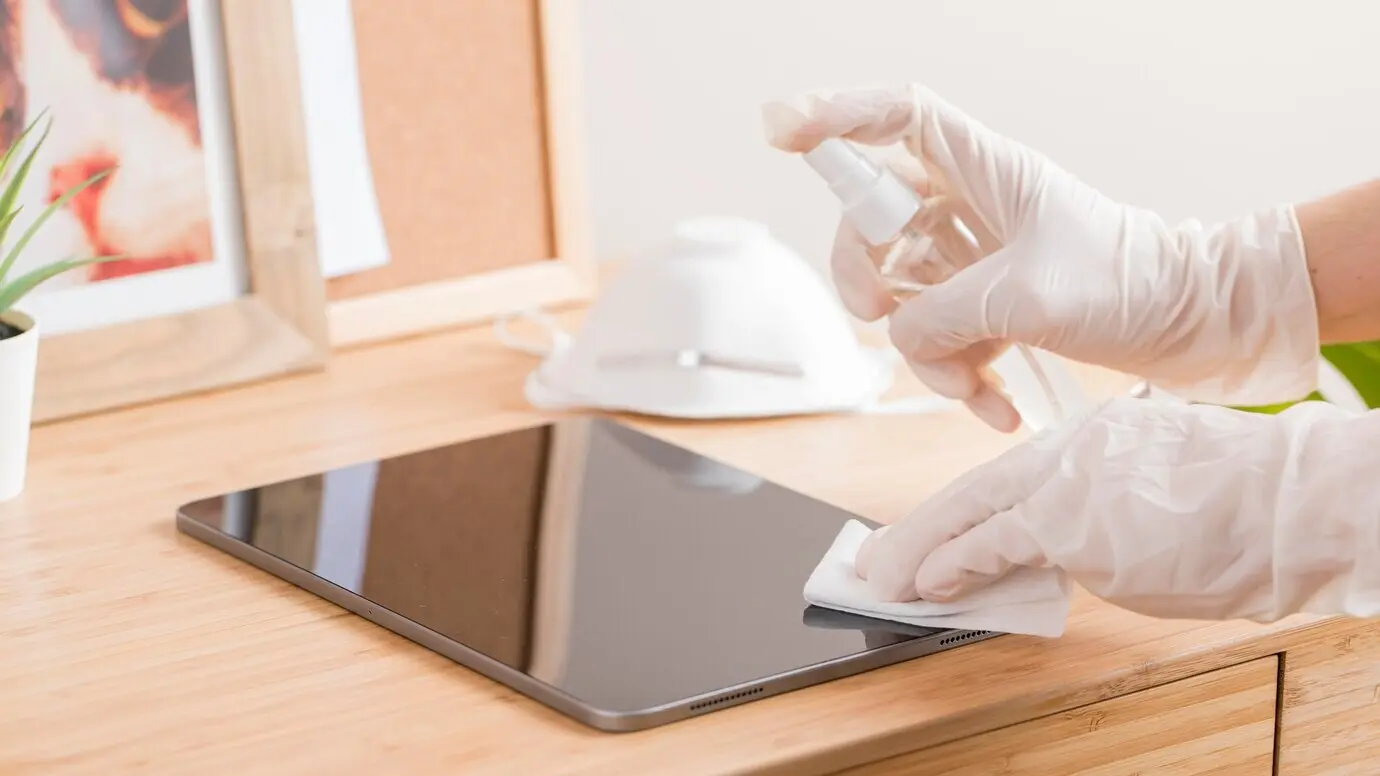
Clean spaces grow healthier roots and happier leaves. In a single minute, you can sanitize tools, clear saucers, and toss fallen foliage that shelters pests. That small ritual denies pathogens the quiet corners they adore. Think prevention, not reaction: fewer outbreaks, less spraying, more peace. Keep supplies together so the task feels like a quick exhale rather than a chore. Message us your favorite disinfectant trick, and we’ll round up reader-tested tips for stress-free, plant-safe tidiness.
Votetulitive
Privacy Overview

This website uses cookies so that we can provide you with the best user experience possible. Cookie information is stored in your browser and performs functions such as recognising you when you return to our website and helping our team to understand which sections of the website you find most interesting and useful.