

Wipe, Don’t Wait
Once a week, swipe each broad leaf with a damp cloth and a drop of mild soap, then follow with plain water. Dust removal boosts photosynthesis while dislodging mites, eggs, and spores before they settle. A friend’s monstera stopped attracting spider mites after this tiny ritual became normal. Use soft motions, support the leaf from beneath, and let it feel like spa care rather than a scramble. Share a before-and-after photo with fellow growers to keep motivation high and celebrate visible, protective shine.

Tool Quick-Sanitize
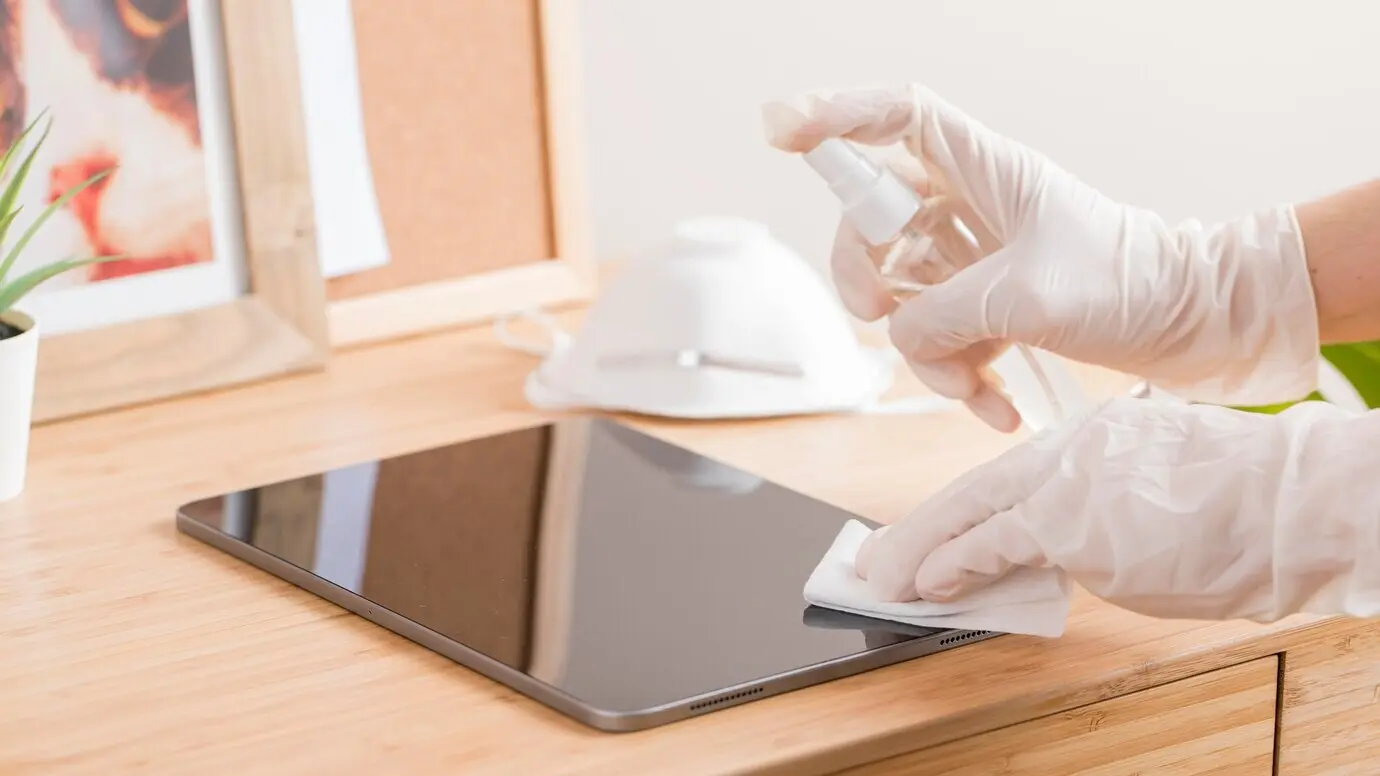
Before and after each snip, spritz shears with seventy-percent isopropyl alcohol, then air-dry for a few breaths. This fast pause stops invisible bacteria and viruses from hitchhiking between stems and nodes. It protects tender cuttings and established plants equally, especially during propagation season. Store a small spray bottle near your tools so the extra step feels automatic. If you garden with family, make sanitizing a shared habit, turning caution into culture. You will notice cleaner callus formation and fewer suspicious lesions over time.

Surface Sweep
Dead leaves, soggy saucers, and stale water invite gnats, molds, and opportunistic fungi. When you pass by, lift pots, dry trays, and remove debris in seconds. This micro-habit breaks pest life cycles and keeps moisture from lingering where trouble thrives. I once reduced a gnat boom simply by emptying catch trays daily. Add a quick spritz of diluted vinegar on shelves, then wipe dry to discourage biofilm. These tiny gestures create a tidy, unfriendly landscape for pests, while your plants enjoy fresher, safer surroundings.